Understanding the psychology behind gambling behavior in casinos
The Allure of Casinos
Casinos are designed to captivate and engage their visitors, leveraging a deep understanding of psychology to enhance the gaming experience. The bright lights, vibrant colors, and upbeat sounds create an enticing atmosphere that stimulates excitement and anticipation. This sensory overload can encourage players to lose track of time and money, as they become immersed in the environment. You can find more information at https://casea-me.com/en/. The goal is to create an experience that feels rewarding and thrilling, drawing individuals back to the tables and machines.
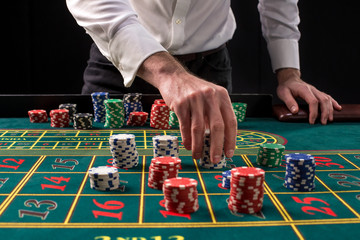
Moreover, casinos often employ strategies such as free drinks, loyalty programs, and generous bonuses to amplify player engagement. These incentives tap into psychological principles such as the reciprocity norm, where individuals feel compelled to give back when they receive something for free. This can lead players to gamble more, often exceeding their budget, as they feel a sense of obligation to spend in return. The psychological manipulation of rewards plays a significant role in sustaining gambling behaviors.
The ambiance in casinos is specifically crafted to minimize distractions and maintain focus on gaming activities. For instance, the absence of clocks and windows prevents players from realizing how much time has passed. This engineered experience promotes a state of flow, where individuals become fully absorbed in their activities. As a result, players often gamble longer and spend more, driven by the excitement of potential wins and the immersive environment that surrounds them.
The Role of Risk and Reward
At the heart of gambling lies the relationship between risk and reward, a concept deeply rooted in human psychology. The thrill of possibly winning a large sum of money can overshadow the risks involved, leading to impulsive behavior. Many gamblers experience a heightened sense of excitement when faced with uncertain outcomes, which can create an addictive cycle. This tension between the fear of losing and the hope of winning is a critical factor in gambling behavior.
The concept of intermittent reinforcement is also crucial in understanding gambling. This psychological phenomenon occurs when rewards are given sporadically, making the prospect of a win even more appealing. Players may keep returning to a game with the belief that a significant payout is just around the corner, spurred by past experiences of winning. This unpredictability can lead to increased gambling frequency, as players chase the elusive feeling of euphoria that comes with winning.
Furthermore, the gambler’s fallacy—a cognitive bias where individuals believe that past events influence future outcomes—can significantly affect behavior. For instance, a player may think that after a series of losses, they are “due” for a win. This misguided belief can compel individuals to gamble more in hopes of recouping losses, often leading to deeper financial trouble. Understanding these psychological mechanisms is essential for recognizing and addressing unhealthy gambling behaviors.
The Emotional Aspect of Gambling
Gambling is not merely a financial activity; it is often intertwined with a range of emotions. Many individuals turn to gambling as a form of escapism, seeking relief from stress, anxiety, or other personal struggles. This emotional connection can lead to compulsive behaviors, where gambling becomes a primary coping mechanism. Casinos exploit this by offering an environment that feels safe and stimulating, allowing players to temporarily forget their worries.
The sense of community and social interaction in casinos further enhances the emotional experience. Players often form bonds with fellow gamblers, sharing in the highs and lows of the game. This camaraderie can create a sense of belonging, making it easier for individuals to justify their gambling habits. The emotional highs experienced during wins and the social connections formed can contribute to a cycle of repetitive gambling, blurring the line between healthy recreation and problematic behavior.
Additionally, the emotional rollercoaster of gambling can lead to heightened feelings of regret and remorse after losses. Players may experience a phenomenon known as “chasing losses,” where the desire to recover lost money drives further gambling. This emotional turmoil can lead to a cycle of gambling and despair, making it crucial for individuals to recognize the psychological factors influencing their behavior. Addressing these emotional aspects is essential for developing responsible gaming habits and understanding personal limits.
The Influence of Environment and Design
The physical layout and design of casinos play a significant role in shaping gambling behavior. Casino architects and designers meticulously plan every detail, from the placement of gaming machines to the flow of foot traffic. By creating an environment that encourages exploration and engagement, they can increase the likelihood that patrons will gamble more. The layout often fosters a sense of confusion, making it harder for players to find their way out or realize how much they are spending.
Casinos also utilize strategic placement of high-stakes games to draw in gamblers looking for excitement. The visibility of these games can create a sense of urgency, enticing players to try their luck. Furthermore, the design elements, such as comfortable seating and intimate lighting, encourage players to stay longer. This intentional design philosophy aims to capitalize on the psychology of immersion, drawing players deeper into the experience and making them less likely to leave.
Moreover, the use of technology in modern casinos has transformed the gambling experience. Virtual reality and augmented reality games provide immersive experiences that blur the lines between reality and gaming. These advancements engage players on a deeper level, enhancing the excitement of gambling. Understanding how these design elements affect behavior is essential for both players and operators, as it highlights the importance of mindful engagement with gambling environments.

Responsible Gaming at Casea Casino
Casea casino recognizes the complexities of gambling behavior and is committed to promoting responsible gaming. The platform offers a variety of tools and resources to help players manage their gaming habits effectively. From setting deposit limits to self-exclusion options, it empowers users to gamble safely and within their means. This dedication to responsible gaming reflects a broader awareness of the psychological aspects of gambling.
Moreover, Casea casino emphasizes transparency and fairness in all its gaming activities. By ensuring that players understand the odds and mechanics of each game, the platform fosters informed decision-making. This educational approach is essential for helping players recognize the inherent risks of gambling and develop healthy habits. By prioritizing user experience and safety, Casea casino stands out as a responsible gaming destination.
Additionally, Casea casino actively engages with its community to raise awareness about problem gambling. Through educational campaigns and partnerships with organizations focused on mental health, the casino aims to create a supportive environment. This commitment to player welfare exemplifies Casea casino’s understanding of the psychological dynamics of gambling, ensuring that users can enjoy their gaming experience without compromising their well-being.